Guide to Steel Brush Wooden Handle, Paint & Brush, and Paint Roller Paint: Essential Tools for Surface.
By Controlshift | 11/12/2025
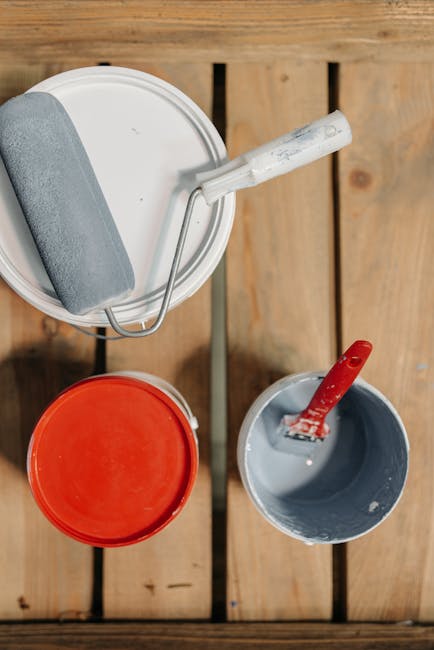
Introduction: The Complete Painting Process from Prep to Finish
Every professional painter understands a fundamental truth that separates exceptional results from disappointing failures: beautiful finishes begin long before the first coat of paint touches the surface. The journey from tired, worn surfaces to stunning, newly painted walls requires three distinct phases, each demanding specific tools and techniques. Understanding the steel brush wooden handle for surface preparation, mastering paint & brush application for precision work, and perfecting paint roller paint techniques for large surfaces creates the complete skill set that produces consistently professional results.
Too many painters, both professionals rushing to meet deadlines and homeowners eager to see color on walls, underestimate the critical importance of proper surface preparation. They skip or shortcut the essential cleaning and prep work, jumping straight to paint application. The inevitable result is paint that fails to adhere properly, surfaces where imperfections show through new coatings, and finishes that begin deteriorating within months rather than lasting for years. This is where the humble steel brush wooden handle proves its worth as an indispensable tool for creating sound surfaces ready to accept and hold new finishes.
Once surfaces are properly prepared, the painting process itself requires understanding when to use brushes versus rollers. The paint & brush relationship represents centuries of refined technique for precision work, while modern paint roller paint application delivers efficiency and consistency across large areas. Together, these methods form a complete system for transforming any surface.
Whether you are a professional contractor managing painting crews, a maintenance technician responsible for facility upkeep, or a homeowner tackling your first major painting project, mastering all three phases — preparation with steel brushes, precision work with quality brushes, and efficient coverage with proper roller techniques — ensures results that meet the highest standards.
The Essential Role of Steel Brush Wooden Handle in Surface Preparation
Before any paint can be successfully applied, surfaces must be properly prepared. This is where the steel brush wooden handle becomes an indispensable tool in your arsenal.
Why Surface Preparation Matters: Paint is only as good as the surface beneath it. Attempting to apply new coatings over rust, loose paint, dirt, grease, or other contaminants leads to adhesion failure, premature peeling, bubbling, and disappointing results. The steel brush addresses these problems effectively, removing surface contaminants that prevent proper paint bonding.
Construction and Design: The steel brush wooden handle combines durable steel wire bristles with traditional wooden handles that provide comfortable, secure gripping. The steel bristles, available in various gauges and stiffness levels, effectively scrub away rust, old paint, scale, and debris. The wooden handle offers ergonomic advantages over plastic or metal alternatives, maintaining comfortable grip even during extended use and providing better control for precision work.
Primary Applications: These versatile brushes excel at numerous preparation tasks. Removing rust from metal surfaces before painting ensures new coatings adhere to sound metal rather than unstable corrosion. Scraping away loose, flaking paint creates stable surfaces for recoating. Cleaning mortar joints and masonry prepares these surfaces for sealers or paint. Removing corrosion from metal tools and equipment restores them to serviceable condition. And general surface cleaning removes contaminants that would compromise paint adhesion.
Proper Technique: Effective use of your steel brush wooden handle requires appropriate technique. Work systematically across surfaces rather than randomly attacking visible problems. Apply firm pressure using controlled strokes. Wear appropriate eye protection as steel brushing generates flying particles. After brushing, clean surfaces thoroughly to remove all loose material before painting. Taking time for thorough preparation with quality steel brushes creates the foundation for durable, beautiful finishes.
Mastering Paint & Brush Application Techniques
Once surfaces are properly prepared with your steel brush wooden handle, the next phase involves applying paint with precision and control. This is where understanding paint & brush methods becomes essential.
The Enduring Importance of Brushes: Despite advances in roller and spray technology, paint brushes remain absolutely essential for numerous applications. Cutting in clean lines along edges where different colors or surfaces meet requires brush precision that no other tool can match. Painting trim, moldings, doors, window frames, and detailed architectural elements demands the control brushes provide. Reaching into corners, crevices, and irregular areas relies entirely on brush work. And certain specialty coatings simply require brush application for proper performance.
Brush Selection for Paint: Success with paint & brush work begins with selecting appropriate brushes. Natural bristle brushes excel with oil-based paints, varnishes, and stains, offering superior paint pickup and release with these products. Synthetic bristle brushes are designed for water-based latex and acrylic paints, maintaining their shape when wet. Brush sizes should match your application, with larger brushes covering area efficiently and smaller ones providing control for detail work. Quality brushes maintain their shape, hold appropriate paint loads, and produce smooth, consistent finishes project after project.
Application Excellence: Proper paint & brush technique transforms adequate coverage into professional results. Load brushes by dipping approximately one-third of bristle length into paint, then tapping gently against the container inside to remove excess. Apply paint using smooth, flowing strokes in consistent directions. For cutting in along edges, use angled brushes and steady, confident strokes that let bristle tips define clean lines. Make final laying off strokes all in the same direction using minimal pressure to smooth surfaces and minimize brush marks. These refined techniques produce the crisp edges and smooth finishes that define quality work.
Perfecting Paint Roller Paint Application
While brushes handle precision work after surfaces are prepared with your steel brush wooden handle, covering large areas efficiently requires mastering paint roller paint techniques.
The Roller Advantage: Paint rollers revolutionized the industry by providing efficient coverage of expansive surfaces. Walls, ceilings, and large flat areas that would take hours to brush can be rolled in a fraction of the time. The cylindrical roller cover picks up paint from a tray and releases it evenly as you roll across surfaces, creating consistent coverage without the directional marks that brushing can leave.
Roller Selection Essentials: Successful paint roller paint application begins with selecting appropriate rollers. The roller cover nap length must match your surface texture — short nap for smooth surfaces, medium nap for standard walls, and long nap for heavily textured surfaces. Cover material affects performance, with woven fabric offering durability, knitted fabric providing capacity, foam creating ultra-smooth finishes, and microfiber combining good capacity with smooth application. Quality roller frames feature smooth-spinning bearings and comfortable handles that reduce fatigue during extended work.
Professional Roller Technique: Achieving flawless results with paint roller paint requires proper method. Load rollers by dipping into paint then rolling on the tray’s textured ramp to distribute paint evenly and remove excess. Apply paint using the W or M pattern, rolling this shape onto the wall before filling in the area with overlapping strokes. Maintain moderate, consistent pressure throughout rolling, avoiding excessive force that squeezes paint from roller edges. Work at a pace that keeps edges wet for seamless blending between sections. Finish each area with light vertical strokes from top to bottom for professional smoothness.
Combining All Three for Complete Projects
Professional painting requires strategic use of all three tool categories for optimal results.
The Complete Workflow: Begin any project with thorough surface preparation using your steel brush wooden handle to remove rust, loose paint, and contaminants. Clean surfaces completely after brushing to remove all debris. Apply appropriate primer to prepared surfaces for optimal paint adhesion. Then proceed to painting, using paint & brush methods to cut in around edges, trim, and obstacles. Finally, employ paint roller paint techniques to fill in large open areas while cut-in edges remain wet. This systematic approach leverages each tool’s strengths while ensuring complete, professional-quality coverage.
Why Choose Tower Tools for Your Painting Supplies
For painters throughout the UAE and GCC region, Tower Tools offers comprehensive painting and surface preparation supplies.
Their extensive selection includes quality steel brush wooden handle tools for surface preparation, professional paint & brush products for precision work, complete paint roller paint systems for efficient coverage, and all necessary accessories for complete painting capability.
Quality assurance ensures reliable performance. Competitive pricing delivers genuine value. Expert service provides guidance on tool selection. Convenient delivery throughout the UAE with next-day service in major cities makes sourcing supplies efficient.
Conclusion: Master the Complete Process
Professional painting success requires understanding the entire process from preparation through finishing. Quality tools including steel brush wooden handle preparation tools, premium paint & brush products, and professional paint roller paint systems combine with proper technique to produce exceptional results.
Ready to equip yourself for complete painting capability? Visit www.towertools.ae today to explore their comprehensive range of surface preparation and painting tools.
Frequently Asked Questions
Why is surface preparation with steel brushes important? Proper preparation with steel brush wooden handle tools removes rust, loose paint, and contaminants that prevent paint adhesion, ensuring durable, long-lasting finishes.
When should I use brushes versus rollers? Use paint & brush methods for precision work, edges, and trim. Use paint roller paint techniques for efficient coverage of large surfaces.
Does Tower Tools carry all these products? Yes, Tower Tools stocks complete ranges of steel brush wooden handle tools, paint & brush products, and paint roller paint systems.
To build or enhance your own AI-driven real estate platform, contact ControlShift for expert digital and AI services.